
Good wholesale matcha in Australia costs $200 to $400 a kilo. Ours starts at around $200 a kilo for first-harvest Japanese matcha, 1kg minimum, held in Perth and sent Express Post Australia-wide in 1-3 business days.
Matcha prices vary the way coffee does. You can buy a kilo off a supermarket shelf for about $80. You can also buy stone-milled single-cultivar matcha from a 300-year-old Uji farm for $1,000 or $2,000 a kilo. Both are sold as matcha.
So the question is not what matcha costs. It is what you are actually buying.
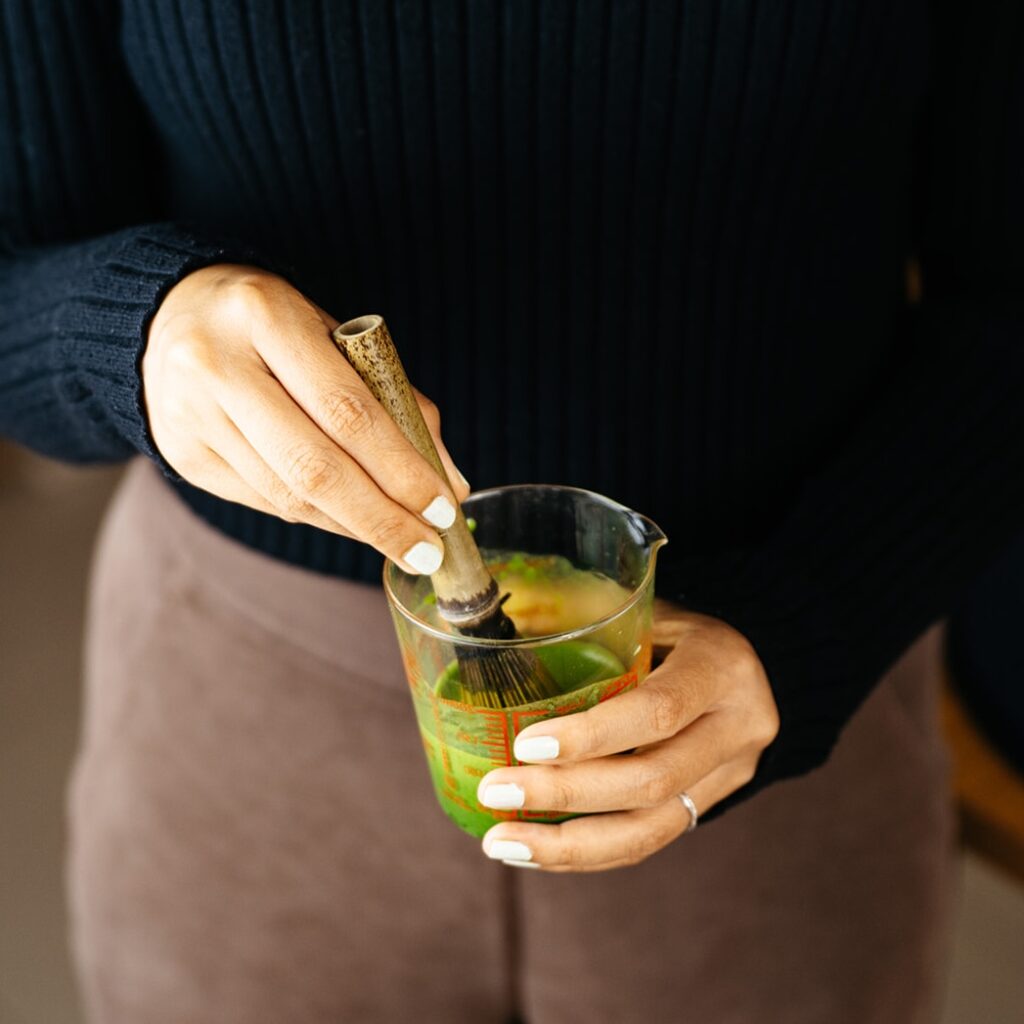
Translated straight, it means powdered tea, in Japanese and in Chinese. A lot of cheap matcha is exactly that: ordinary green tea, milled into powder. Technically you can call it matcha. It is not necessarily the real thing, and knowing the difference is most of what you are paying for.
Real matcha, as Japan understands it, starts long before the mill. The plants are shaded for at least two weeks before picking. Starved of sunlight, they draw more from the soil and build more chlorophyll, more nutrients, more of the umami that makes matcha taste like matcha. Then come the other steps: steaming, drying, milling.
So there is a clear line between green tea powder and real matcha. That line is where the price starts.
Conventional, culinary, ceremonial. None of them is regulated and none is graded against any international standard. They are the judgement of the company selling the tea, which means anyone can call anything ceremonial.
Rule one: never judge a matcha by the grade on the bag. It is opinion, not fact.
First harvest is the opening picking of the tea year in Japan, late April into May. That first flush carries the best colour, more amino acids, more umami, less bitterness. Second, third and fourth harvests are duller and usually more bitter, though not always worse.
It is not a guarantee either way. We have tasted a first harvest we thought was poor.
The auction floor backs it up. At the first tencha ⓘTencha is the shaded leaf that becomes matcha once it is stone-milled. It is what the Japanese auctions actually trade. market of 2026 in Uji, machine-picked tencha ⓘTencha is the shaded leaf that becomes matcha once it is stone-milled. It is what the Japanese auctions actually trade. averaged ¥13,972 a kilo, about 1.7 times the record ¥8,235 set the year before. First harvest sells above later pickings every year, which is the most honest quality signal in the trade.

Organic standards are not the same country to country. In Japan the Organic JAS mark is compulsory: without it, a product cannot be sold as organic there at all, and the land has to be free of prohibited substances for three years before the first harvest on a crop like tea. In Australia there is no equivalent rule. The ACCC’s position is that certification is not legally required for a product to be described as organic here, only that the claim must be provable.
Organic farming is simply harder. No conventional fertilisers, more labour to keep the plants healthy and the flavour where it should be, and in some regions the plot cannot sit next to a non-organic farm. That work is in the price.
Cultivars work like grape varieties. They look and taste a little different, and they are all still tea. Yabukita is hardy and versatile, easier to grow, more robust in flavour, though not always as vivid in colour. Uji Hikari or Asahi are delicate, difficult, and grown by only a handful of farms. Drinkers who want to taste a specific variety will pay for it.
Unless you run a matcha specialty shop, what you buy will likely be a blend: different cultivars mixed at a set ratio by an experienced tea master.
That is not the lesser option. Blending is what holds a flavour steady while the harvests move underneath it, and a cafe cannot have its matcha tasting different from one month to the next. It is also a craft in its own right: a skilled blender builds colour, body, aroma and layers that a single cultivar cannot produce on its own.
Single cultivar usually sells higher, for two reasons:
A higher price, then. Not necessarily a better cup.
A lot of what sells as matcha carries sugar, sweeteners or colouring to cover the bitterness of low-grade powder. Before you compare two prices, check that both are 100% matcha. Otherwise you are comparing a kilo of tea against a kilo of tea and sugar. Most regular matcha drinkers want the tea on its own, the same way coffee drinkers expect an espresso to be nothing but coffee.
The farm sets the floor. The year sets the rest. Demand has run well ahead of what Japan can shade, pick and mill, which is why the first tencha ⓘTencha is the shaded leaf that becomes matcha once it is stone-milled. It is what the Japanese auctions actually trade. auction of 2026 cleared about 1.7 times the previous record and why wholesale prices have moved several times in two years. Whatever you are quoted is a snapshot of that season, not a fixed price.
China is part of the picture now as well. Chinese growers covered the cheap end for years and are now producing at the premium end too. More supply in time, but for now another serious buyer competing for the same shaded leaf and the same mills. It is a large part of why the shortage and the price rises of the past couple of years have held.
Prices have risen several times in the past few years. Matcha was not on most cafe menus a couple of years ago; now nearly every cafe serves it. Japan is the primary producer, and even with China covering the lower grades, prices keep climbing.
For 100% pure, first-harvest matcha, in Australian dollars, per kilo:
| Tier | Wholesale per kg |
|---|---|
| Mid to top tier | $200 to $300 |
| Top tier | $300 to $500 |
Above that, a matcha menu is hard to run profitably at any volume. At 50c a gram, a 6oz latte at 3g is $1.50 in the cup, and an iced one is closer to $2.50. Doable, but rarely sustainable.
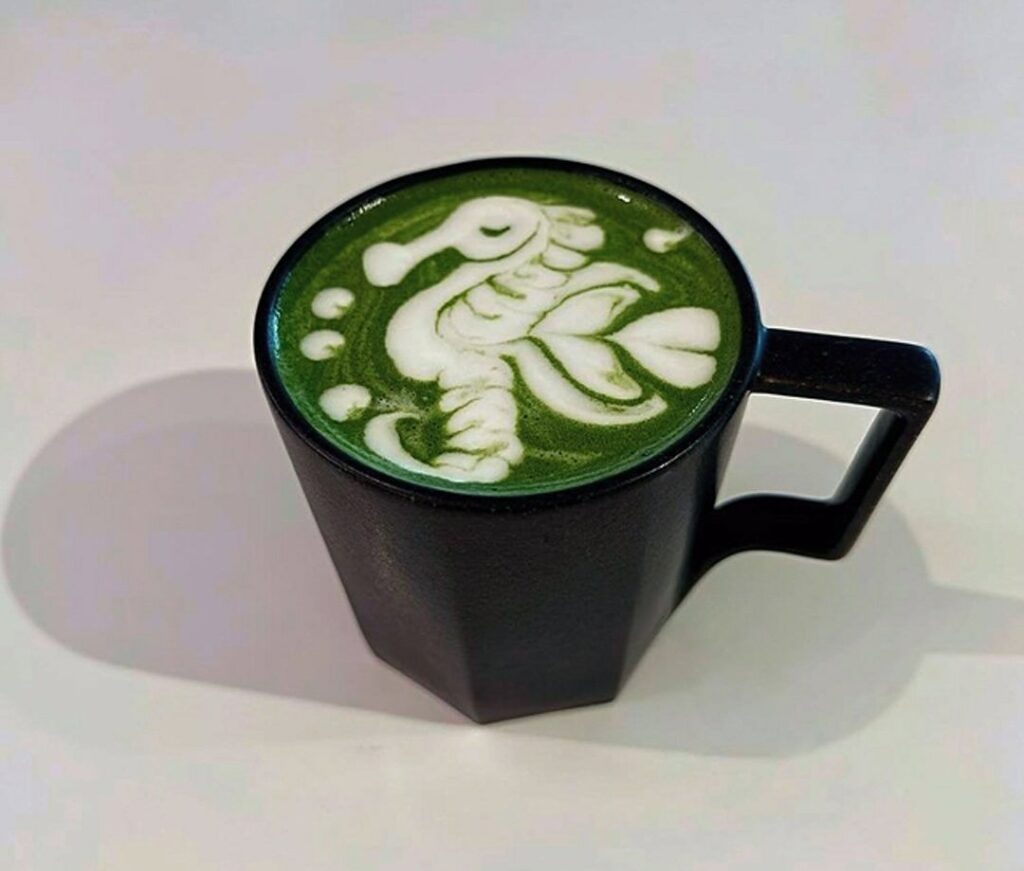
6oz hot matcha latte, at 3g of 100% pure matcha.
| Wholesale per kg | Matcha in the cup | Milk, cup and lid* | Total in the cup | What cafes charge |
|---|---|---|---|---|
| $200 | 60c | 50c | $1.10 | $5.50 |
| $250 | 75c | 50c | $1.25 | $6.00 |
| $300 | 90c | 50c | $1.40 | $6.00 |
| $350 | $1.05 | 50c | $1.55 | $6.50 |
| $400 | $1.20 | 50c | $1.70 | $6.50 |
* Our own working number, and it moves with your milk supplier and your packaging. Labour and rent are not in this table, and you can read why further down.
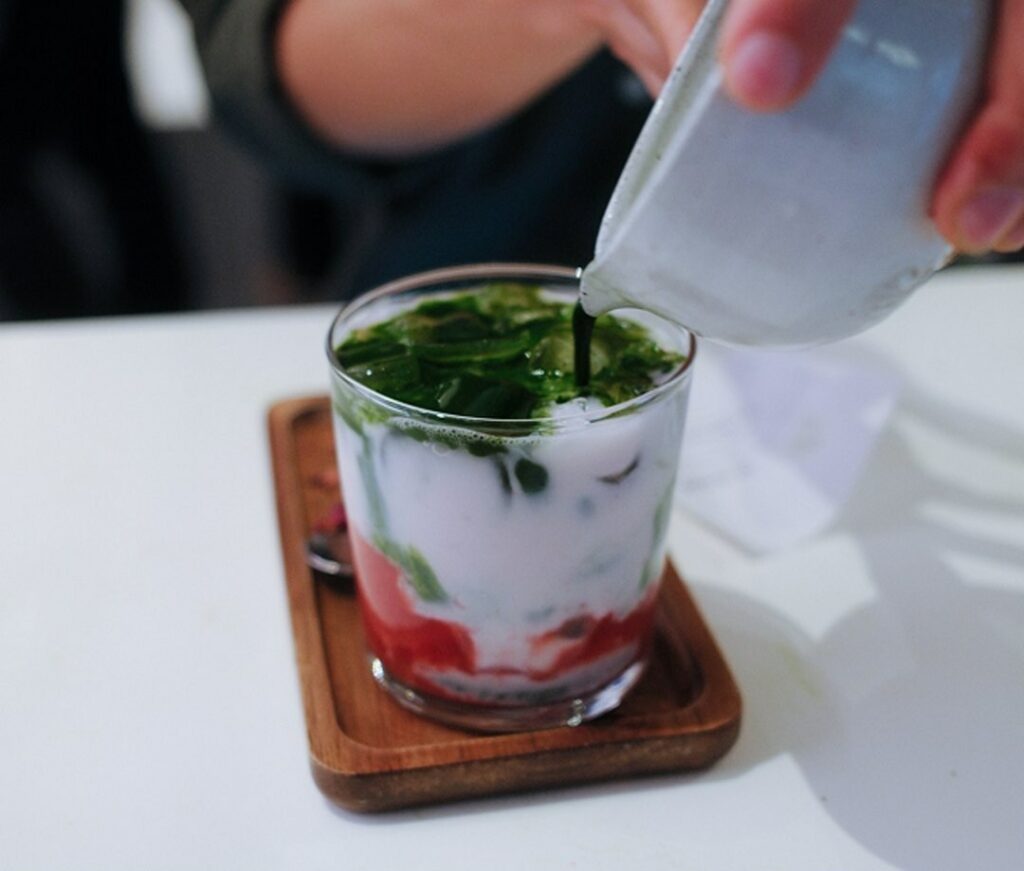
12oz iced matcha latte, at 5g. An iced drink needs more matcha to hold its own against the milk and the melt, and the right dose moves with how much ice you use.
| Wholesale per kg | Matcha in the cup | Milk, cup and lid* | Total in the cup | What cafes charge |
|---|---|---|---|---|
| $200 | $1.00 | 80c | $1.80 | $7.50 |
| $250 | $1.25 | 80c | $2.05 | $7.50 to $9.50 |
| $300 | $1.50 | 80c | $2.30 | $7.50 to $9.50 |
| $350 | $1.75 | 80c | $2.55 | $7.50 to $9.50 |
| $400 | $2.00 | 80c | $2.80 | $7.50 to $9.50 |
* About 80c on our own working numbers, and an iced cup and a straw cost more than a hot one.
The charge column is an average of what we see cafes charging and selling. It is not a recommendation, and not a survey. Every other number here is our own working arithmetic, and it moves with your milk supplier and your packaging.
Below $200 a kilo, you are likely not comparing gram for gram.
That price usually buys a later, lower-grade harvest that needs sweetening to be drinkable, and very often the blend already has sugar in it. So you are weighing a kilo of tea against a kilo of tea and sugar, and paying to sweeten the drink on top.
Check the bag says 100% matcha before you compare it with anything.
The per-kilo prices look nothing alike. Most Australian cafes pay $32 to $38 a kilo for wholesale roasted coffee, against $250 for a good matcha. That gap is what makes matcha sound expensive.
It closes once you weigh what actually goes in the cup. A double shot takes 20g of coffee. A 6oz latte takes 3g of matcha, about a seventh of it.
| Drink | Wholesale per kg | Grams in the cup | In the cup |
|---|---|---|---|
| Matcha latte, 6oz | $250 | 3g | 75c |
| Coffee, double shot | $35 | 20g | 70c |
Seven times the price per kilo, five cents apart in the cup. Coffee numbers are our own arithmetic off roasters’ published prices.
Labour and rent are not in the tables, and we have left them out on purpose. They swing too far from one venue to the next to put a single number on: a site on a CBD corner and a shop on a quiet street are not running the same business, and any figure we picked would be wrong for most people reading this. Work yours out on your own rent and your own roster.
Labour is still the one worth thinking about. A good matcha only reaches the customer if the person making it knows the ratio, the water temperature and the whisking, which means training, and training is time. We train the venues we supply, because an untrained bench turns good tea into an average drink.
Matcha is versatile once you have one worth serving. It carries the standard latte, and it carries the drinks you can charge a premium for, like a strawberry matcha or a coconut cloud matcha, plus the food side: matcha desserts, matcha cake.
Hojicha belongs in the same conversation. A roasted green tea powder, affordable, popular, and one that coffee drinkers take to immediately.
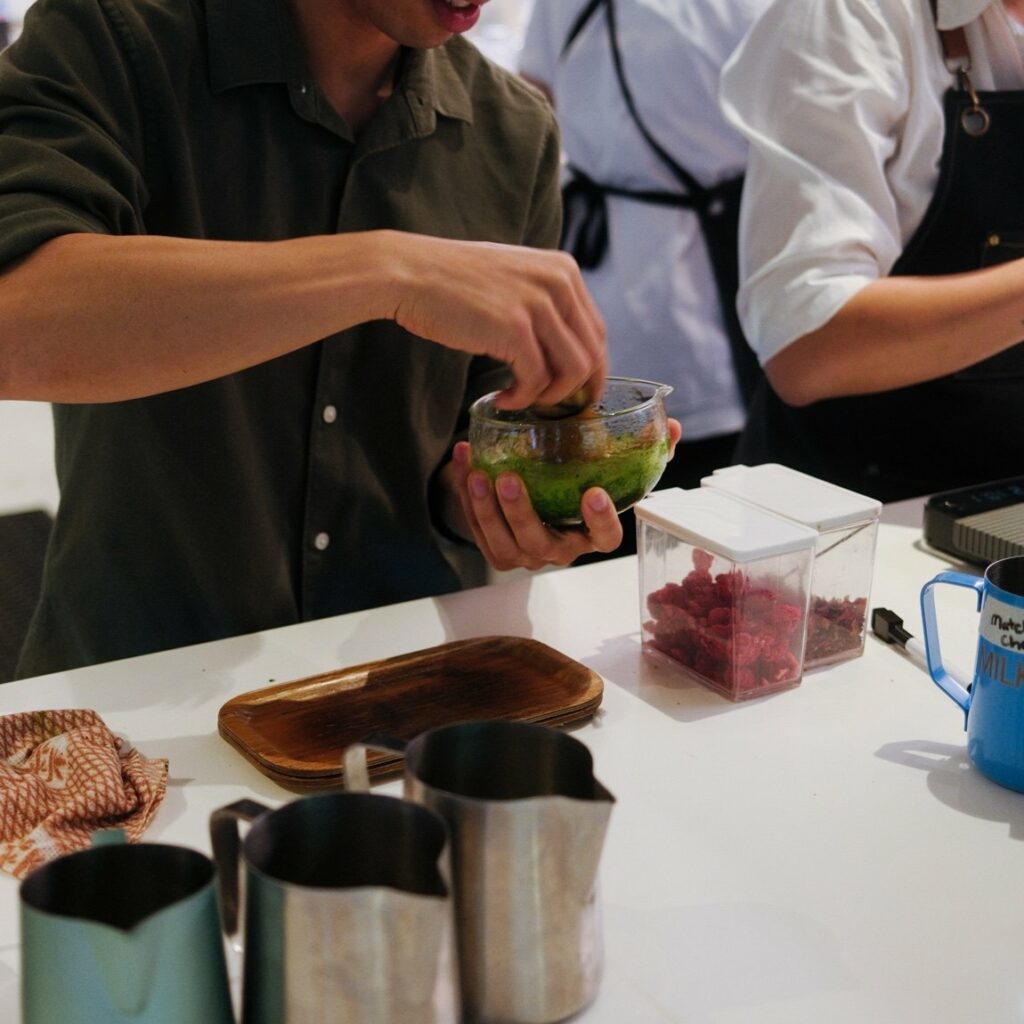
Matcha orders on one national ordering platform were up 133% year on year to June 2026, the fastest-growing category they track, driven by drinkers under 35.
That is the opportunity, and the trap sits next to it. A cheaper matcha that nobody comes back for is not cheaper.
From what we see in venues, customers decide on two things:
Body is where the economics quietly turn. A thin matcha needs 4g or 5g to hold up against milk, so the cheap kilo becomes the expensive cup. There is more to it again, like storage, measuring, pre-batching and waste, but that is another piece.
Work out the grams you actually use in a 6oz latte. Multiply it out. Then ask honestly whether that cup brings the customer back.
If you take one thing from this page, take this.
$200 to $400 a kilo is the right range. A matcha people come back for is the part that pays for it.
One they order again on the next visit. One that holds its own beside brunch. One you can build a strawberry matcha or a coconut cloud on and charge up to $10 a drink.
Under $200 a kilo you are usually looking at a later harvest: duller, more bitter, needing sweetener to sit right.
Mindful started to serve cafes: to help them find quality matcha at a price that stays profitable for them, and, above all, matcha that brings customers back again and again.
Four blends, 100% pure, no fillers. Stock held in Perth, Express Post Australia-wide. Barista training comes with it.
© 2026 Mindful Sip. All rights reserved.
ABN: 35 116 327 711
Follow us for tips and news

Pop in your email and we’ll send you a one-tap login link. No password to remember.
Please enter your username or email address. You will receive an email message to log in.